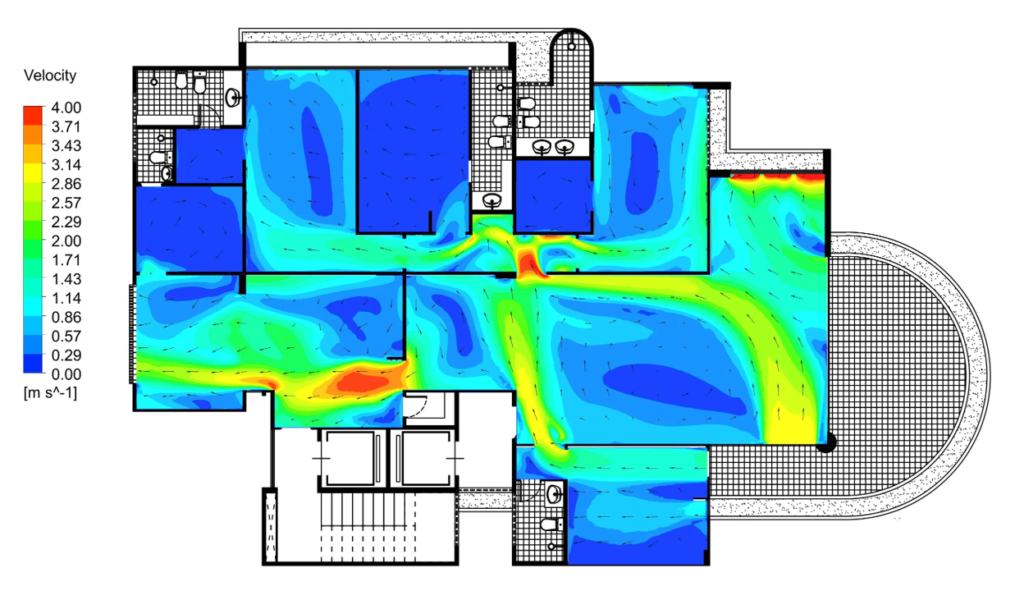
A home’s comfort, efficiency, and long‑term durability depend heavily on the performance of its HVAC system, attic conditions, and overall ventilation strategy. In Texas—especially in humid regions like Houston—poor airflow, inadequate insulation, and improper moisture control can lead to high energy bills, uncomfortable indoor temperatures, and even hidden structural damage. My HVAC, Attic & Ventilation Analysis is designed to give homeowners, buyers, and sellers a clear understanding of how well the home manages heat, humidity, and air movement.
The evaluation begins with a detailed review of the HVAC system, including visible components, airflow patterns, temperature differentials, and general operational behavior. I look for signs of restricted airflow, improper condensate drainage, dirty coils, or ductwork issues that may affect performance. Although this is not a diagnostic service, the inspection provides valuable insight into whether the system is cooling effectively and distributing air evenly throughout the home. In humid climates, proper HVAC function is essential for controlling moisture and preventing condensation on surfaces.
Next, I assess the attic, which plays a major role in energy efficiency and indoor comfort. I examine insulation depth, coverage, and condition to determine whether the home meets recommended standards. Gaps, compression, or missing insulation can cause significant temperature swings and force the HVAC system to work harder. I also check for signs of moisture intrusion, mold risk, or inadequate ventilation that may trap heat and humidity in the attic space. These issues often go unnoticed but can lead to long‑term damage if not addressed.
Ventilation is another critical component of the analysis. I evaluate attic ventilation systems, including soffit vents, ridge vents, gable vents, and mechanical ventilation if present. Proper ventilation helps regulate attic temperature, reduces moisture buildup, and extends the life of roofing materials. Inadequate ventilation can cause excessive heat retention, which not only increases cooling costs but can also contribute to premature shingle deterioration and attic moisture problems.
Throughout the inspection, I pay close attention to humidity control, a key factor in Texas homes. High indoor humidity can lead to musty odors, condensation, and even microbial growth. By examining airflow, insulation, and ventilation together, I provide a comprehensive picture of how well the home manages moisture and maintains a healthy indoor environment.
This analysis gives clients a deeper understanding of the home’s thermal performance and highlights opportunities to improve comfort, efficiency, and long‑term durability. Whether you’re buying, selling, or maintaining your home, a thorough HVAC, attic, and ventilation evaluation is an essential part of protecting your investment.