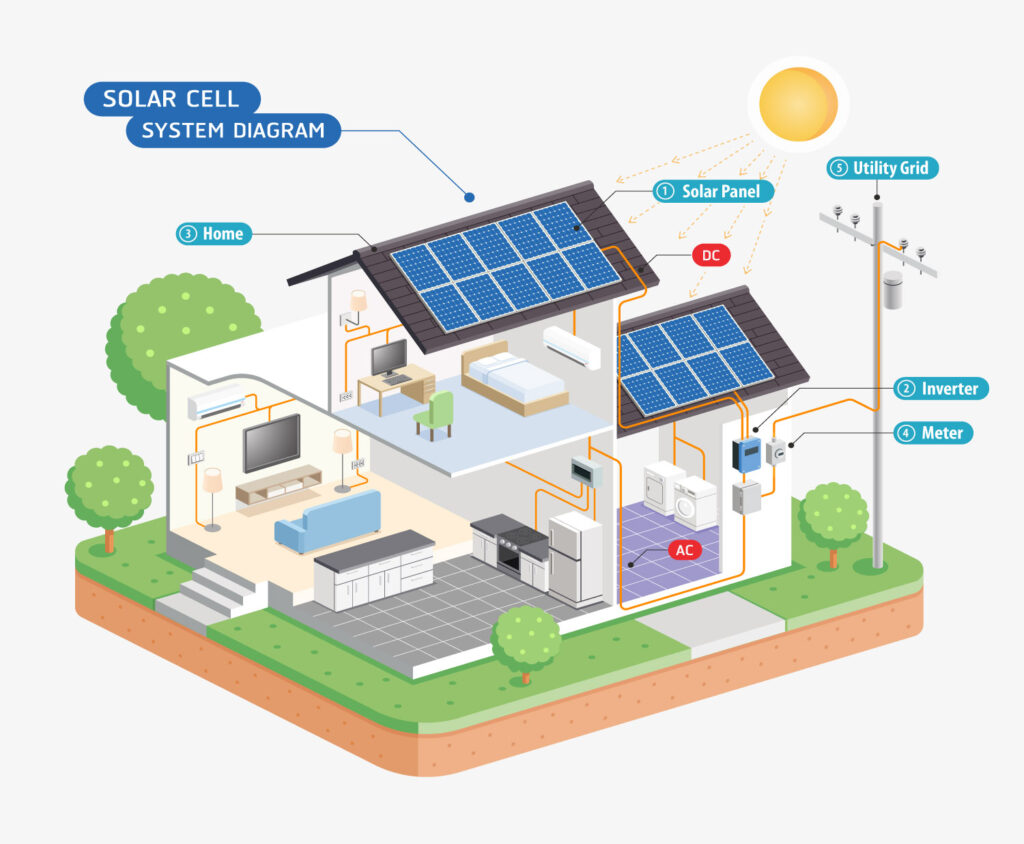
Solar energy systems require periodic inspections to maintain their efficiency, performance, and long‑term safety. Our service combines visual inspection, aerial drone imaging, and infrared thermal analysis to detect damaged panels, hotspots, faulty connections, shading issues, excessive dirt buildup, and performance loss.
We also inspect the inverter, wiring, electrical protections, mounting hardware, and roof penetrations to ensure the entire system is operating safely and according to installation standards. Thermal imaging allows us to identify defective cells or panels that are not producing energy correctly, even when the issue is not visible to the naked eye.
This service is ideal for homeowners, installers, insurance evaluations, and homebuyers purchasing properties with existing solar systems. It provides a clear understanding of system condition, potential risks, and any maintenance or repairs needed to restore optimal performance.
Solar energy systems are becoming increasingly common across Texas, and homeowners, buyers, and lenders want confidence that these installations are safe, functional, and properly integrated with the home’s electrical system. As part of my comprehensive inspection services, I provide a detailed Solar Panel & Solar Electrical System Check designed to evaluate both the physical condition of the panels and the integrity of the supporting electrical components. This service gives clients clear insight into the true performance, safety, and long‑term reliability of their solar investment.
Solar Panel Condition & Installation Quality
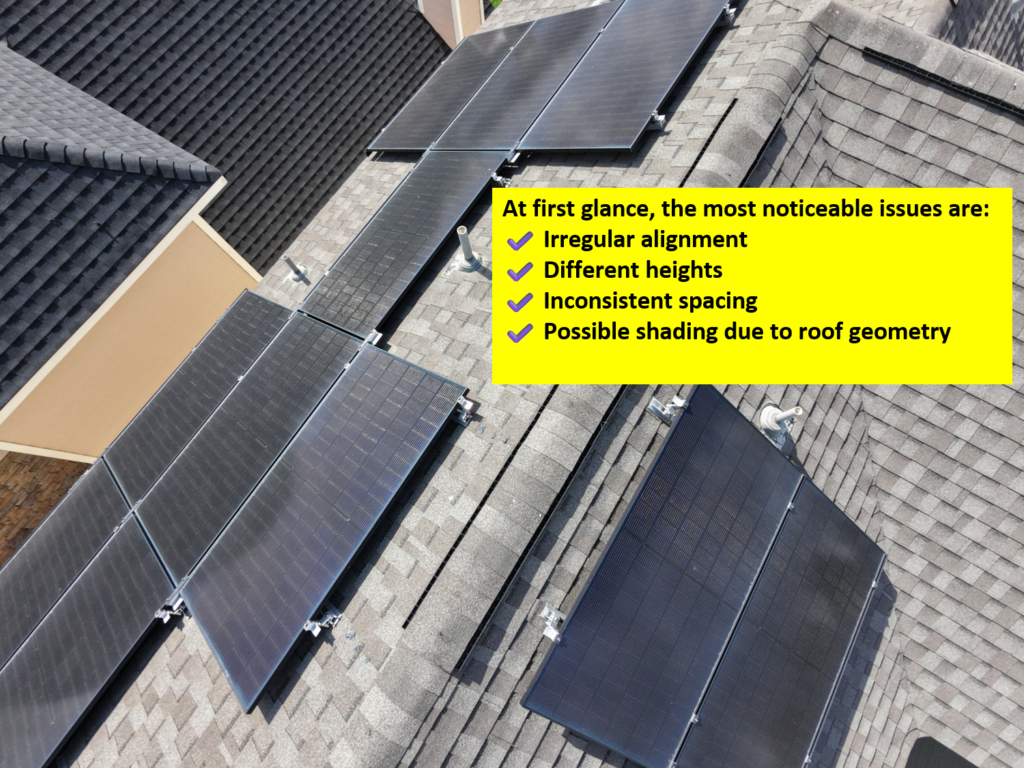
The inspection begins with a full visual assessment of the solar panels. I look for signs of damage, wear, discoloration, debris buildup, or installation issues that may reduce efficiency. I also evaluate panel alignment, mounting hardware, and overall installation quality to ensure the system is secure and performing as intended. Because many solar issues originate at the roof level, I also inspect surrounding roofing materials to confirm that the installation has not compromised shingles, flashing, or drainage patterns.
Roof Penetration Verification
Proper roof penetrations are critical for preventing leaks and long‑term structural damage. I check each penetration point for correct flashing, sealant condition, and secure attachment. Improper sealing or mounting can lead to moisture intrusion, rot, and costly repairs—making this step essential for protecting both the roof and the solar system.
Solar Electrical System Evaluation
Next, I assess the conduit, wiring, and inverter setup. Electrical components must be properly sized, protected, and installed according to safety standards. I look for:
- Exposed or damaged wiring
- Improper conduit routing
- Signs of overheating or corrosion
- Inverter labeling, ventilation, and operational indicators
The inverter—often considered the heart of the solar system—is evaluated for proper function and safe installation.
Drone Imaging for Safer, Clearer Solar Inspections
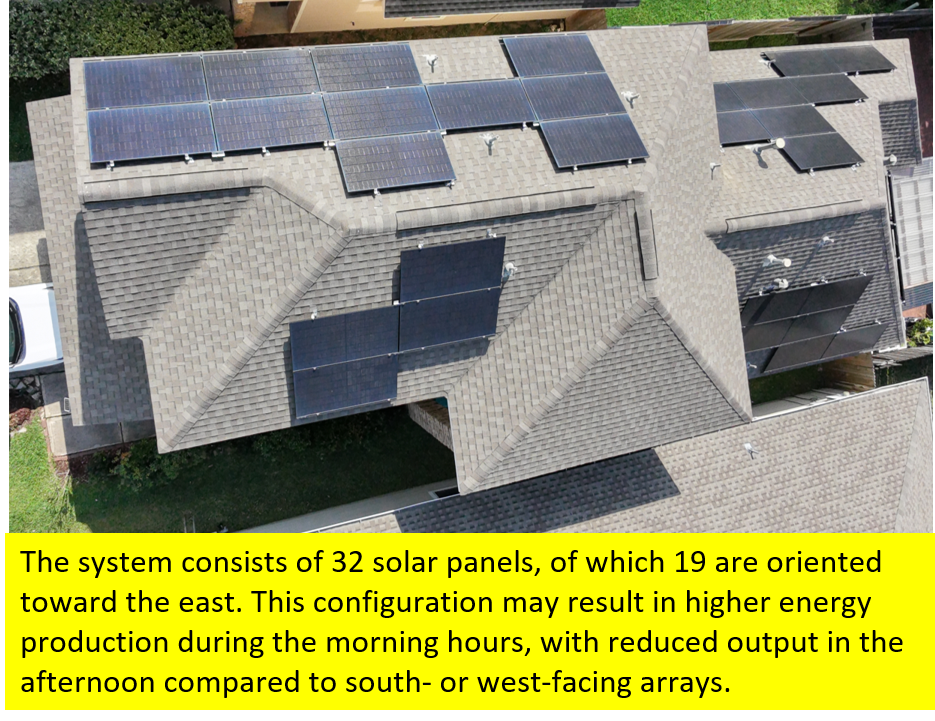
To enhance accuracy and safety, I incorporate drone imaging to capture high‑resolution aerial views of the panels and roof. This allows me to document panel condition, shading issues, and installation layout without walking on the roof. Drone imaging reduces risk, improves visibility, and provides clients with clearer documentation.
Why a Solar Inspection Matters
A dedicated solar inspection helps homeowners, buyers, and real estate agents verify the condition and safety of a solar system before a purchase or sale. It also ensures that the installation meets basic standards and has not caused hidden roof or electrical issues. With solar becoming a major selling point in Texas real estate, a professional solar inspection positions your property—and your investment—with confidence.